
14
March
Challenges of Electric Truck Leasing in the Middle East
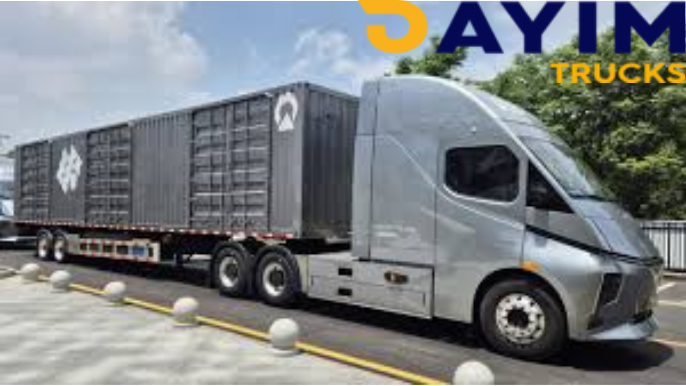
The shift toward sustainable transportation is gaining momentum across the globe—and the Middle East is no exception. With governments promoting cleaner energy and businesses focusing on reducing carbon footprints, the demand for EV trucks Middle East is steadily rising.
In Saudi Arabia and neighboring countries, companies are exploring electric vehicle lease and EV fleet leasing models as a practical way to adopt electric mobility without heavy upfront investment. However, while the opportunities are promising, the transition is not without its challenges.
Understanding these challenges is crucial for businesses considering corporate EV leasing as part of their long-term strategy.
The Growing Interest in Electric Mobility
The Middle East, particularly Saudi Arabia, is undergoing a significant transformation. With initiatives aligned to sustainability goals, companies are increasingly adopting electric cars KSA and electric trucks to modernize their fleets.
From logistics and ecommerce to food distribution and pharmaceuticals, industries are recognizing the benefits of EV adoption, including:
- Lower emissions
- Reduced operating costs
- Alignment with ESG goals
- Enhanced brand reputation
Despite these advantages, the path to widespread EV adoption—especially through leasing—comes with several hurdles.
1. Limited Charging Infrastructure
One of the biggest challenges for EV trucks Middle East is the availability of charging infrastructure.
While urban areas in Saudi Arabia are seeing gradual improvements, many regions still lack:
- Public charging stations
- Fast-charging networks
- Dedicated infrastructure for heavy-duty electric trucks
For businesses relying on long-haul routes, this creates uncertainty in operations. Even with electric vehicle lease options available, companies must carefully plan routes and charging schedules.
2. High Initial Costs of Electric Vehicles
Electric trucks generally come with higher upfront costs compared to diesel vehicles. Although EV fleet leasing helps spread these costs over time, the overall pricing structure can still be a concern for some businesses.
Factors contributing to higher costs include:
- Advanced battery technology
- Limited large-scale production
- Import and logistics expenses
While leasing reduces the burden, companies must still evaluate long-term financial viability.
3. Range Limitations for Long-Haul Operations
Range anxiety is a real concern, especially in the Middle East where distances between cities can be significant.
Compared to diesel trucks, EV trucks Middle East often have:
- Limited driving range per charge
- Dependency on charging availability
- Reduced flexibility for long-distance logistics
For industries that rely heavily on cross-country transportation, this limitation can impact operational efficiency.
4. Lack of Technical Expertise
Electric vehicles operate differently from traditional diesel trucks. This creates a knowledge gap in areas such as:
- Maintenance and servicing
- Battery management
- Charging optimization
- Driver training
Companies adopting corporate EV leasing must ensure that both drivers and operations teams are equipped with the necessary knowledge.
Without proper expertise, the benefits of EV adoption may not be fully realized.
5. Uncertainty Around Battery Life and Resale Value
Battery performance is one of the most critical aspects of electric vehicles. Businesses often have concerns about:
- Battery degradation over time
- Replacement costs
- Impact on vehicle performance
- Resale value
While electric vehicle lease models reduce ownership risks, these concerns still influence decision-making, especially for long-term planning.
6. Limited Availability of Heavy-Duty EV Trucks
While electric passenger vehicles are becoming more common, the availability of heavy-duty electric trucks is still limited in the region.
This affects:
- Fleet expansion plans
- Vehicle customization options
- Industry-specific requirements
For sectors like construction and large-scale logistics, finding suitable EV trucks Middle East can be challenging.
7. Operational Adjustments Required
Switching to electric trucks isn’t just about changing vehicles—it requires a shift in operations.
Businesses must adapt to:
- Charging schedules instead of refueling
- Route planning based on battery range
- Downtime for charging
- New fleet management systems
These changes can initially slow down operations if not managed properly.
8. Climate and Environmental Factors
The Middle East’s extreme temperatures can impact EV performance, particularly battery efficiency.
High heat can:
- Reduce battery life
- Affect charging efficiency
- Increase energy consumption
For companies considering EV fleet leasing, it’s important to account for environmental conditions when evaluating performance.
9. Regulatory and Policy Uncertainty
Although governments are promoting sustainability, regulations around electric vehicles are still evolving.
Businesses may face uncertainties related to:
- Incentives and subsidies
- Charging infrastructure policies
- Import regulations
- Future compliance requirements
This can make long-term planning more complex when adopting corporate EV leasing strategies.
10. Higher Dependency on Technology
Electric trucks rely heavily on advanced technology, including:
- Battery management systems
- Software for performance monitoring
- Charging infrastructure integration
While this improves efficiency, it also increases dependency on technical systems. Any disruption can affect operations, making reliable support essential.
Turning Challenges into Opportunities
Despite these challenges, the future of EV trucks Middle East remains promising. Many of these barriers are temporary and are being addressed through:
- Infrastructure development
- Technological advancements
- Government initiatives
- Increased market adoption
Businesses that start early can gain a competitive advantage by building experience and adapting ahead of the curve.
The Role of EV Fleet Leasing in Overcoming Challenges
This is where EV fleet leasing becomes crucial.
Leasing helps businesses:
- Avoid high upfront costs
- Test EV performance before scaling
- Upgrade vehicles as technology improves
- Reduce financial and operational risks
By choosing electric vehicle lease options, companies can transition gradually while managing uncertainties effectively.
Why Choosing the Right Partner Matters
Navigating the complexities of electric mobility requires expertise and experience.
Dayim Trucks Rental is the only specialist truck rental and leasing company in Saudi Arabia, with over a decade of experience in the transportation industry. With a global fleet of trucks, Dayim has built a strong reputation for delivering reliable and scalable solutions.
Serving leading clients across Food & Beverage, Logistics, Ecommerce, QSR, and Pharmaceutical sectors, Dayim understands the evolving challenges of modern fleet management—including the transition to electric vehicles.
Their expertise in corporate EV leasing and fleet solutions ensures businesses receive the support they need to adopt electric mobility with confidence.
Final Thoughts
The transition to electric trucks in the Middle East is not without its challenges—but it’s a journey worth taking.
From infrastructure limitations to cost considerations, businesses must carefully evaluate their approach. However, with the right strategy and the support of EV fleet leasing, these challenges can be managed effectively.
As demand for electric cars KSA and electric trucks continues to grow, early adopters will be better positioned to benefit from cost savings, sustainability advantages, and future-ready operations.
If your business is considering the shift to electric mobility, now is the time to explore flexible leasing solutions.

تعليقات