
14
September
Charging Infrastructure and Leased Fleets: What Businesses Should Ask Before Signing an Electric Truck Lease
Electric commercial vehicles are becoming an increasingly relevant option for businesses looking to modernise their fleets. From last-mile deliveries to urban distribution, electric trucks can offer businesses a different approach to commercial transportation.
But choosing an electric truck is only one part of the decision.
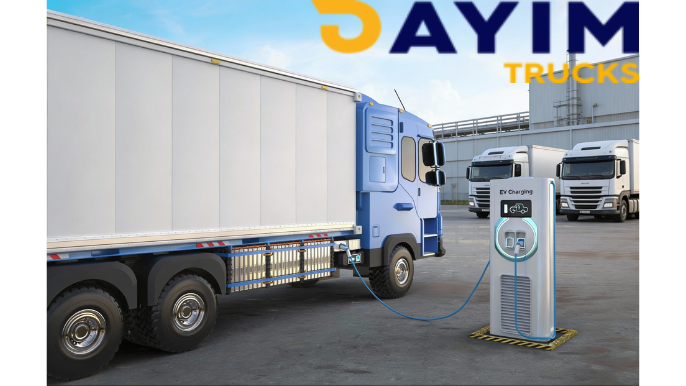
For businesses considering electric trucks on lease, charging infrastructure can be just as important as the vehicle itself. A truck that cannot be charged conveniently, reliably, and within the required operating schedule can create challenges for daily operations.
This is why businesses should look beyond the lease payment and understand how charging will fit into their existing fleet operations.
Before signing an agreement for electric vehicle leasing in Saudi Arabia, here are the key questions businesses should ask.
Why Charging Infrastructure Matters
Traditional commercial vehicles can usually be refuelled relatively quickly at established fuel stations. Electric trucks require access to suitable charging infrastructure.
For a business operating several vehicles, this means charging needs to be treated as part of fleet planning.
Consider a delivery company where trucks leave a depot early in the morning and return in the evening. If the vehicles need to be charged overnight, the business needs to know whether the available electrical infrastructure can support the fleet.
Similarly, companies operating vehicles throughout the day may need faster charging options or a carefully planned charging schedule.
The charging strategy should therefore be considered before the lease agreement is signed, not after the vehicles arrive.
1. Where Will the Trucks Be Charged?
The first question is simple: Where will the electric trucks charge?
Businesses may charge vehicles at:
- Company-owned depots
- Distribution centres
- Warehouses
- Dedicated fleet charging locations
- Public charging stations
- Other suitable commercial facilities
For businesses operating a dedicated fleet, depot charging may offer greater control over charging schedules.
However, the availability of suitable electrical infrastructure at the depot needs to be assessed before committing to a fleet of electric vehicles.
2. Does the Existing Electrical Infrastructure Have Enough Capacity?
Installing chargers is not always as simple as putting charging equipment in a parking area.
A business needs to understand whether its existing electrical connection can support the planned charging load.
If a company is leasing ten electric trucks, for example, the electricity requirements can be significantly different from those of a single electric vehicle.
Before signing a commercial truck leasing agreement, businesses should discuss:
- Number of vehicles being leased
- Required charging capacity
- Charging frequency
- Expected daily mileage
- Available electrical capacity
- Potential infrastructure upgrades
- Installation requirements
A professional assessment can help identify infrastructure requirements before the fleet is deployed.
3. What Type of Charger Does the Truck Require?
Not all chargers deliver the same charging speed.
Depending on the vehicle and operating requirements, a business may use slower charging for overnight charging or faster charging when vehicles need to return to service quickly.
Businesses considering electric commercial vehicles should ask the leasing provider which charging equipment is compatible with the selected trucks.
It is also worth understanding whether chargers are included in the lease or need to be purchased and installed separately.
4. Is the Charger Included in the Lease?
This is a particularly important contractual question.
Some fleet arrangements may include charging equipment or infrastructure support, while others may provide the vehicle only.
Before signing an agreement with a truck leasing company, clarify exactly what is included.
Ask:
- Is the charger included?
- Who installs it?
- Who pays for installation?
- Who owns the charger?
- Who maintains the charging equipment?
- What happens to the charger when the lease ends?
These details can have a significant impact on the overall cost of transitioning to an electric fleet.
5. How Long Does Charging Take?
Charging time needs to fit the business's delivery schedule.
If a truck is expected to operate for ten hours a day and then return to the depot overnight, overnight charging may be practical.
However, businesses operating multiple shifts may have different requirements.
Ask the leasing provider for realistic charging information based on the actual vehicle configuration and charging equipment rather than relying only on theoretical maximum charging speeds.
The objective is to ensure the vehicle can complete its expected daily workload without creating unnecessary downtime.
6. What Is the Real-World Driving Range?
Electric truck range can vary depending on several factors.
Vehicle load, driving conditions, traffic, weather, route length, and driving behaviour can all influence energy consumption.
Businesses should therefore evaluate range based on their actual routes.
A truck that appears suitable on paper may not be ideal if the daily route regularly pushes the vehicle close to its practical range.
For companies exploring electric trucks on lease, route analysis should be part of the decision-making process.
7. What Happens if a Charger Stops Working?
Charging infrastructure is part of the fleet's operating system.
If a charger fails, several vehicles could potentially be affected.
Before entering a leasing agreement, ask about maintenance and support for charging equipment.
Find out:
- Who handles charger repairs?
- What is the expected response time?
- Is technical support available?
- Is backup charging available?
- What happens if a truck cannot be charged?
A contingency plan can help reduce disruption to daily operations.
8. Who Pays for Electricity?
Electricity becomes an operating expense for an electric fleet, just as fuel is an operating expense for conventional vehicles.
Businesses should understand how charging costs will be managed and monitored.
If vehicles are charged at company facilities, the electricity cost may be incorporated into normal operating expenses.
For businesses using public charging infrastructure, costs may be calculated differently.
When comparing electric vehicle leasing in Saudi Arabia, businesses should therefore look at the complete operating cost rather than comparing only the lease payment with a conventional truck's lease payment.
9. Can the Fleet Grow With Your Business?
Fleet requirements can change quickly.
A business may start with two electric trucks and eventually need ten or twenty.
Before signing a lease, ask whether additional electric vehicles can be added later and whether the existing charging infrastructure can support fleet expansion.
This is especially important for logistics, e-commerce, food and beverage, and distribution businesses experiencing rapid growth.
Planning charging capacity for future expansion can prevent businesses from having to redesign their infrastructure every time another vehicle is added.
10. Understand the Full Lease Contract
Charging infrastructure should be included in the wider commercial vehicle leasing discussion.
Review the agreement carefully and understand:
- Lease duration
- Monthly payments
- Mileage limits
- Maintenance responsibilities
- Battery-related coverage
- Charging equipment
- Installation costs
- Insurance requirements
- Breakdown support
- Replacement vehicle policy
- Early termination conditions
- End-of-lease requirements
Battery coverage deserves particular attention. Businesses should understand what happens if battery performance changes during the lease and what support is available under the agreement.
Electric Truck Leasing Is More Than a Vehicle Decision
Moving to electric commercial vehicles involves more than replacing diesel trucks with electric alternatives.
It requires businesses to consider vehicles, charging infrastructure, electricity supply, routes, operating schedules, maintenance, driver requirements, and future fleet expansion together.
This is why working with an experienced truck leasing company can be useful.
A fleet provider can help businesses evaluate the vehicle requirement alongside the practical considerations involved in operating a commercial fleet.
Why Choose Dayim Trucks?
Dayim Trucks is the only specialist truck rental and leasing company in Saudi Arabia and has more than a decade of experience in the transportation industry.
Dayim Trucks has served some of the biggest clients in the world and has grown into one of the respected truck rental companies in Saudi Arabia.
The company supports the rental and leasing requirements of leading businesses across Food & Beverage, Logistics, E-commerce, QSR, and Pharmaceutical industries.
For businesses considering electric commercial vehicles, having an experienced fleet partner can help ensure that vehicle requirements, operational needs, and fleet planning are considered together.
Final Thoughts
Electric trucks can provide businesses with an opportunity to modernise their commercial fleets, but the vehicle is only one part of the equation.
Charging infrastructure, electrical capacity, charging time, driving range, maintenance, electricity costs, and future fleet growth all deserve careful consideration before signing a lease.
If your business is considering electric trucks on lease, don't simply ask, "What is the monthly payment?"
Ask the bigger questions:
Where will the trucks charge? Can our infrastructure support them? How long will charging take? What happens if a charger fails? What is included in the lease? And can the system grow with our business?
Answering these questions early can help businesses build a more practical transition plan and avoid unexpected operational challenges.
If you're exploring electric vehicle leasing in Saudi Arabia or want to understand your options for commercial truck leasing and electric commercial vehicles, speak with an experienced fleet partner.

تعليقات