
16
March
Diesel vs Electric Trucks: Which Is More Cost-Effective in Saudi Arabia?
As Saudi Arabia accelerates toward a more sustainable and diversified economy, businesses are rethinking how they manage transportation. One of the biggest questions fleet managers face today is: diesel vs electric trucks—which option is truly more cost-effective?
While diesel trucks have long dominated the logistics landscape, the rise of electric trucks Saudi Arabia is changing the equation. With evolving infrastructure, government initiatives, and increasing awareness of sustainability, companies are exploring new ways to optimize both costs and operations.
But cost-effectiveness isn’t just about purchase price—it’s about the total cost of ownership over time. Let’s break it down.
Understanding the Basics: Diesel vs Electric Trucks
Before comparing costs, it’s important to understand how these two options differ.
Diesel Trucks
Diesel-powered trucks are widely used across Saudi Arabia. They are known for:
- High power and long-distance capability
- Established fueling infrastructure
- Lower upfront purchase cost
- Familiar technology and maintenance practices
Electric Trucks
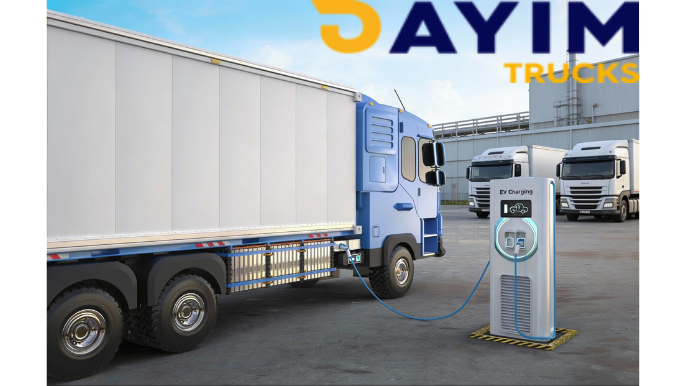
On the other hand, EV trucks Saudi Arabia are gaining traction as part of sustainable mobility efforts. They offer:
- Zero tailpipe emissions
- Lower operating costs
- Reduced maintenance requirements
- Alignment with sustainability goals
The real comparison begins when we look beyond the surface.
Upfront Cost: Diesel Still Has the Edge
When comparing diesel vs electric trucks, diesel vehicles typically have a lower initial purchase price. Electric trucks come with higher upfront costs due to battery technology and newer manufacturing processes.
For businesses with tight capital budgets, this can be a deciding factor. However, focusing only on upfront cost can be misleading.
This is where EV fleet leasing becomes a game-changer. Instead of purchasing electric trucks outright, businesses can lease them—spreading costs over time and avoiding heavy initial investment.
Fuel vs Electricity: A Major Cost Differentiator
Fuel expenses are one of the largest ongoing costs in fleet operations.
Diesel Costs
Diesel prices in Saudi Arabia are relatively stable compared to global markets, but they still represent a significant recurring expense—especially for large fleets operating daily.
Electricity Costs
Electric trucks, in contrast, rely on electricity, which is generally more cost-efficient per kilometer.
Over time, businesses using electric trucks Saudi Arabia often see noticeable savings in energy costs, particularly for urban and short-haul operations.
Maintenance Costs: EVs Have a Clear Advantage
Maintenance is another critical factor in the diesel vs electric trucks comparison.
Diesel Trucks
Diesel engines are complex, with many moving parts that require regular servicing:
- Oil changes
- Engine repairs
- Transmission maintenance
- Exhaust system upkeep
Electric Trucks
Electric vehicles are mechanically simpler. They have:
- Fewer moving parts
- No engine oil requirements
- Reduced wear and tear
- Lower frequency of servicing
This translates into lower maintenance costs over time, making EV trucks Saudi Arabia a strong contender for long-term savings.
Total Cost of Ownership (TCO): The Bigger Picture
To truly determine cost-effectiveness, businesses must evaluate the Total Cost of Ownership (TCO), which includes:
- Purchase or lease cost
- Fuel or electricity expenses
- Maintenance and repairs
- Insurance and compliance
- Depreciation
While diesel trucks may seem cheaper initially, electric trucks often outperform in TCO over the long run—especially when supported by EV fleet leasing models.
Leasing reduces upfront costs while allowing businesses to benefit from lower operating expenses.
Performance and Operational Fit
Cost-effectiveness also depends on how trucks are used.
Best Use Cases for Diesel Trucks
- Long-haul transportation
- Remote routes with limited charging access
- Heavy-duty operations requiring maximum range
Best Use Cases for Electric Trucks
- Urban deliveries
- Last-mile logistics
- Short-to-medium distance routes
- High-frequency stop-and-go operations
For many businesses, a mixed fleet strategy—combining diesel and electric vehicles—offers the best balance.
Infrastructure and Charging Considerations
Charging infrastructure is still developing in Saudi Arabia, but it is expanding rapidly.
Businesses adopting electric trucks Saudi Arabia can:
- Set up depot-based charging stations
- Use centralized charging hubs
- Plan routes based on charging availability
For companies with predictable routes, EV adoption is already practical and cost-efficient.
Sustainability and Brand Value
Today, cost isn’t just financial—it’s also reputational.
Companies are increasingly expected to demonstrate environmental responsibility. Using sustainable fleet solutions like electric trucks helps:
- Reduce carbon emissions
- Align with Vision 2030 goals
- Improve brand perception
- Meet ESG (Environmental, Social, Governance) targets
In many cases, the long-term value of sustainability outweighs the initial cost difference.
Government Initiatives and Future Outlook
Saudi Arabia is actively promoting cleaner energy and sustainable transportation. As policies evolve, businesses adopting EV trucks Saudi Arabia early may benefit from:
- Incentives and subsidies
- Lower regulatory costs
- Priority access to green initiatives
This makes electric trucks not just a current cost-saving option, but a future-ready investment.
The Role of EV Fleet Leasing in Cost Optimization
One of the biggest barriers to EV adoption is upfront investment. This is where EV fleet leasing becomes essential.
Leasing allows businesses to:
- Avoid high purchase costs
- Access the latest EV technology
- Upgrade fleets easily
- Reduce financial risk
It also enables companies to test electric vehicles in real operations before making long-term commitments.
Diesel vs Electric Trucks: Final Verdict
So, which is more cost-effective?
- Short-term: Diesel trucks may appear more affordable due to lower upfront costs.
- Long-term: Electric trucks often deliver better value through lower fuel and maintenance expenses.
The right choice depends on your business model, routes, and financial strategy. However, with the rise of sustainable fleet solutions, electric trucks are becoming increasingly competitive—and in many cases, more economical over time.
Why Partnering with the Right Leasing Company Matters
Transitioning your fleet—whether diesel, electric, or hybrid—requires the right partner.
Dayim Trucks Rental is the only specialist truck rental and leasing company in Saudi Arabia, with over a decade of experience in the transportation industry. With a global fleet of trucks, Dayim has built a reputation for reliability, flexibility, and industry expertise.
Serving leading clients across Food & Beverage, Logistics, Ecommerce, QSR, and Pharmaceutical sectors, Dayim understands the complexities of fleet management and evolving transportation needs.
Whether you’re exploring EV fleet leasing, expanding with diesel trucks, or building a hybrid fleet, Dayim offers tailored solutions designed to optimize cost and performance.
Final Thoughts
The debate around diesel vs electric trucks isn’t about choosing one over the other—it’s about finding the right balance for your business.
Electric trucks are no longer just a sustainability initiative; they are becoming a practical, cost-effective solution for modern logistics. With the support of EV fleet leasing, businesses can adopt this technology without heavy financial burden.
If you’re looking to optimize your fleet costs while preparing for the future of transportation, now is the time to explore your options.

تعليقات