
16
October
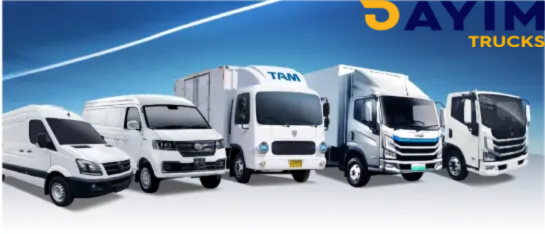
Electric Vans vs Electric Trucks for Saudi Delivery Fleets: Which Should You Lease First?
Saudi Arabia's delivery and logistics sector is evolving as businesses look for ways to improve fleet efficiency, manage operating costs, and explore cleaner transportation options. From e-commerce deliveries in Riyadh to food distribution and commercial logistics across the Kingdom, choosing the right vehicle has become an important part of fleet planning.
Electric vehicles are attracting growing interest, but switching to an electric fleet raises a practical question for businesses: should you start with electric vans or electric trucks?
The answer depends on what your business delivers, how far your vehicles travel, the loads they carry, and whether your operating locations have suitable charging facilities. For some companies, electric vans may be the logical first step. Others may find that electric trucks better match their delivery operations.
For businesses exploring electric vehicle leasing in Saudi Arabia, understanding these differences can help make the transition more manageable without committing to an entirely electric fleet from day one.
Why Saudi Businesses Are Considering Electric Commercial Vehicles
Delivery fleets are essential to industries such as e-commerce, food and beverage, pharmaceuticals, retail, and logistics. However, managing a fleet also involves fuel expenditure, maintenance, vehicle downtime, and the challenge of matching vehicle capacity to changing delivery demand.
Electric commercial vehicles offer a different approach to fleet operations. They use electric power instead of conventional fuel for driving and may offer lower energy and routine maintenance costs in suitable operating conditions. Actual savings depend on electricity tariffs, vehicle prices, maintenance needs, charging infrastructure, driving patterns, and the terms of the lease.
Saudi Arabia's climate and operating environment also deserve careful consideration. High temperatures, long driving distances, heavy payloads, and air-conditioning requirements can influence real-world electric vehicle range and energy consumption.
Rather than replacing every vehicle at once, businesses can assess where electric vehicles fit into their existing operations and begin with routes that are easier to manage.
1. Electric Vans: A Practical Starting Point for Urban Deliveries
Electric vans are worth considering for businesses that make frequent, relatively short deliveries within cities. Their size and cargo capacity can make them suitable for last-mile logistics, retail distribution, restaurant supplies, and certain pharmaceutical deliveries.
For example, an e-commerce business operating within Riyadh may have vehicles following predictable routes between a warehouse and customers. If the daily distance falls comfortably within the vehicle's usable range and charging can take place at the depot, an electric van could be a suitable candidate for an initial leasing trial.
Electric vans may be particularly useful for:
- E-commerce and parcel deliveries.
- Retail replenishment between distribution centres and stores.
- Food and beverage deliveries on planned urban routes.
- Service teams carrying tools and equipment.
- Regular deliveries with predictable mileage and return-to-depot schedules.
One advantage of starting with vans is that businesses can often identify a specific group of routes to test before expanding their electric fleet.
However, payload capacity, cargo dimensions, air-conditioning use, and real-world range still matter. A van that works well on a short urban route may not be suitable for a longer journey with a full load and limited charging opportunities.
Businesses comparing electric options with conventional van rental in Saudi Arabia should evaluate the entire operating arrangement, including charging access, vehicle availability, and rental or lease duration.
2. Electric Trucks: Better Suited to Certain Heavy-Duty Operations
Electric trucks serve a different purpose. Depending on their size and specifications, they can support heavier commercial deliveries and regular movements of goods between warehouses, distribution facilities, and business locations.
For logistics providers and companies transporting larger quantities of products, an electric truck may be worth evaluating when the route, payload, and daily schedule are compatible with its capabilities.
Potential applications include:
- Regular distribution between nearby facilities.
- Predictable commercial delivery routes.
- Transport between a warehouse and a retail distribution point.
- Selected food and beverage supply routes.
- Operations where vehicles return to a depot with suitable charging facilities.
However, electric trucks require a more detailed assessment than simply comparing vehicle size or battery range. Heavier loads, route gradients, traffic, high temperatures, and auxiliary equipment can affect energy consumption. Charging a larger battery may also require more time or higher-capacity infrastructure.
Before considering electric trucks on lease, businesses should confirm the truck's rated payload, usable battery capacity, expected range under realistic operating conditions, charging requirements, and suitability for their routes.
For companies with long-distance operations or demanding payload requirements, a conventional commercial truck may remain the more practical choice until the available electric vehicle and charging arrangements meet operational needs.
3. Which Option Offers Better Cost Control?
There is no universal answer to whether electric vans or electric trucks are cheaper to operate. The result depends on vehicle utilisation, electricity prices, lease rates, maintenance, charging infrastructure, and the cost of keeping vehicles available.
Electric vans may be a sensible starting point when a business has predictable urban routes and can charge vehicles overnight at its depot. These conditions can make energy use and daily vehicle scheduling easier to plan.
Electric trucks may offer value on suitable, frequently used routes where their payload and operating capabilities are fully utilised. However, their higher capacity can also come with greater upfront leasing costs and more demanding charging requirements.
When evaluating electric vehicle leasing in Saudi Arabia, compare the total cost of operation rather than focusing on a single monthly payment.
Include:
- Monthly lease charges and any initial payments.
- Electricity costs and charging equipment.
- Maintenance and servicing responsibilities.
- Insurance and other applicable fees.
- Expected vehicle downtime and backup arrangements.
- Mileage limits and end-of-contract conditions.
- Any infrastructure upgrades required at your premises.
This comparison will help establish whether an electric van, an electric truck, or a mixed fleet is financially appropriate for your business.
4. Is Your Charging Infrastructure Ready?
Charging access can determine whether an electric vehicle performs well in everyday operations. Before leasing an electric vehicle, businesses should review where vehicles park, when they return to base, and how much time is available for charging.
A depot-based fleet with predictable overnight parking may have a straightforward charging plan. Businesses whose vehicles remain on the road for long periods or operate across several locations may need a different approach.
Electric vans can be easier to introduce when their routes and charging schedules are relatively simple. Electric trucks may require higher-capacity charging equipment, depending on the vehicle and expected turnaround time.
Saudi Arabia's hot climate is another consideration. High temperatures can influence battery performance and charging requirements, so businesses should use manufacturer specifications and realistic operating estimates rather than relying solely on advertised range figures.
Before signing a lease, ask the provider about charging compatibility, charging time, battery warranty arrangements where applicable, and the vehicle's expected performance under your operating conditions.
5. How to Choose Which Vehicle to Lease First
The most effective starting point is your existing delivery data. Review a typical month of fleet activity and identify routes that could suit electric vehicles.
Ask these five questions:
1. How far do our vehicles travel each day?
Short, predictable routes may be easier to electrify than long journeys with uncertain charging opportunities.
2. What do we transport?
Light parcels and smaller deliveries may suit vans, while heavier goods may require trucks with appropriate payload capacity.
3. Can we charge vehicles at our depot?
Reliable charging access is important for keeping vehicles ready for scheduled work.
4. How often are vehicles used?
High utilisation can improve the value of a lease, but only when the vehicle meets the workload and charging schedule.
5. What happens if a vehicle is unavailable?
A backup plan can help protect deliveries while the business evaluates electric vehicle performance.
If most deliveries involve compact loads and regular city routes, an electric van may be the first vehicle to assess. If your core operation depends on heavier loads and repeatable distribution routes, investigate whether an electric truck can meet those requirements.
Some businesses may benefit from testing one vehicle category first and expanding only after collecting real-world performance data.
6. Why Leasing Can Help Businesses Explore Electric Vehicles
Buying an electric fleet immediately can be a major commitment, particularly when a business is still learning how electric vehicles perform under its operating conditions.
Leasing provides another route to evaluating vehicle technology, subject to availability and contract terms. Businesses can assess suitable vehicle options, compare leasing periods, and consider whether their fleet requirements justify a larger transition.
Searches for electric vehicles lease Saudi Arabia and electric vehicle leasing in Saudi Arabia reflect an important practical question for fleet operators: how can they introduce new vehicle technology while keeping their delivery operations reliable?
The answer starts with careful planning. Businesses should confirm vehicle availability, charging requirements, maintenance arrangements, lease conditions, and the suitability of each vehicle for its intended routes before committing.
A mixed fleet can also be a practical option. Electric vehicles can handle routes that suit their range and charging requirements, while conventional vehicles continue to support longer journeys or demanding applications.
Explore Fleet Rental and Leasing with Dayim Trucks
Choosing between electric vans and electric trucks is not simply a technology decision. It is about matching vehicle capabilities to your delivery routes, cargo requirements, infrastructure, and financial plans.
For some businesses, electric vans may provide a manageable starting point for urban deliveries. For others, electric trucks may be worth evaluating for predictable distribution operations. In either case, real-world testing and careful cost comparisons can help reduce uncertainty.
Dayim Trucks is a specialist truck rental and leasing company in Saudi Arabia, with over a decade of transportation industry experience and access to a global network of trucks. The company has experience serving some of the world's largest clients and supports businesses across the food and beverage, logistics, e-commerce, quick-service restaurant (QSR), and pharmaceutical industries.
If your business is reviewing its fleet strategy, consider your current delivery requirements before deciding which vehicles to lease. Discuss vehicle specifications, availability, contract duration, and operational needs when assessing suitable options.

تعليقات