
20
October
Operational Leasing in Riyadh: Why Asset-Light Fleets Win
For businesses operating in Riyadh, transportation is more than a way to move goods from one location to another. It is an essential part of daily operations, customer service, and business growth. Logistics companies need reliable trucks, retailers need vehicles for distribution, and food and beverage businesses depend on timely deliveries to keep their operations running smoothly.
Traditionally, many companies purchased their own vehicles to maintain control over their fleets. However, ownership also comes with significant financial commitments, ongoing maintenance responsibilities, and the challenge of managing vehicles as business requirements change.
This is why more businesses are considering an asset-light approach to fleet management. Instead of investing heavily in vehicles, companies can explore operational leasing vehicles in Riyadh to access the transportation capacity they need while keeping more capital available for other business priorities.
An asset-light fleet does not mean operating without essential resources. It means choosing a practical balance between owning assets and accessing vehicles through rental or leasing arrangements.
Let's explore why operational leasing can be an attractive option for businesses in Riyadh and how to determine whether it suits your fleet strategy.
What Is Operational Leasing?
Operational leasing allows a business to use a vehicle for an agreed period in exchange for payments under a leasing contract. Depending on the agreement, the arrangement may include services such as maintenance or other forms of support.
Unlike purchasing a vehicle outright, leasing can reduce the need for a large initial investment in fleet assets. Businesses can plan vehicle access around their operational requirements rather than committing substantial capital to ownership.
For example, a logistics company expanding its delivery operations in Riyadh may need additional trucks to meet a new customer contract. Purchasing every required vehicle could place pressure on working capital, particularly when the business is also investing in staff, warehouses, and technology.
With operational leasing vehicles in Saudi Arabia, the company can evaluate leasing as an alternative way to obtain suitable vehicles while preserving capital for other needs.
The exact financial and operational benefits depend on the contract, vehicle usage, and services included. Therefore, businesses should compare leasing with ownership based on their actual requirements rather than assuming one option will always be cheaper.
1. Preserve Capital for Business Growth
One of the main reasons companies consider an asset-light fleet is the opportunity to manage capital more strategically.
Buying commercial vehicles can require a substantial initial investment. For growing businesses, this money may also be needed for hiring employees, expanding facilities, improving inventory management, or entering new markets.
Leasing can help reduce the upfront capital commitment associated with acquiring vehicles. Instead of purchasing an entire fleet immediately, a company may be able to arrange vehicles through a leasing agreement and allocate more funds to other priorities.
Consider a growing food distribution business in Riyadh. If demand increases, it may need additional vehicles to serve restaurants, supermarkets, and other customers. An asset-light approach can give the business another option for increasing transportation capacity without purchasing every vehicle outright.
However, leasing payments still represent a financial commitment. Businesses should assess the total contract cost, payment schedule, and expected vehicle utilisation before making a decision.
2. Make Fleet Costs Easier to Plan
Vehicle ownership involves more than the purchase price. Businesses must also account for maintenance, repairs, insurance, registration, depreciation, and periods when vehicles are unavailable.
These expenses can vary from month to month, making budgeting more complicated.
A suitable corporate leasing arrangement may make certain costs easier to forecast by establishing agreed payments over a defined period. Where maintenance or additional services are included, the business may also find it easier to plan some aspects of fleet expenditure.
However, not every leasing agreement covers the same services. Fuel, insurance, repairs, replacement vehicles, and other expenses may be treated differently depending on the contract.
Before choosing an operational leasing vehicle in Riyadh, calculate the total expected cost of the arrangement and compare it with the cost of owning a similar vehicle.
This gives finance and operations teams a clearer picture of what they are paying for and helps them make decisions based on actual business needs.
3. Scale Your Fleet as Demand Changes
Business demand rarely remains constant throughout the year. E-commerce companies may experience seasonal delivery peaks, retailers may need additional vehicles during busy periods, and logistics providers may receive contracts that require a larger fleet.
Owning vehicles for peak demand can leave a company with underused assets when activity slows.
An asset-light fleet strategy allows businesses to evaluate leasing or rental options according to the expected duration of their requirements. Long-term leasing may suit predictable, ongoing operations, while shorter rental arrangements may be more appropriate for temporary demand, subject to availability and contract terms.
For example, a quick-service restaurant operator expanding into new locations may need additional delivery and supply vehicles as operations grow. A flexible fleet plan can help the business assess its requirements in stages rather than making a large vehicle investment before demand is established.
The key is to forecast demand realistically and understand the conditions under which vehicles can be added, changed, or returned.
4. Reduce the Administrative Burden of Fleet Ownership
Managing a commercial fleet requires time and coordination. Businesses need to track servicing schedules, arrange repairs, monitor vehicle condition, maintain documentation, and plan for replacements when vehicles reach the end of their useful operating life.
For companies whose main expertise lies in logistics, distribution, food production, or retail, fleet administration can divert attention from core activities.
A leasing arrangement may simplify certain responsibilities, depending on which services the provider offers. For example, an agreement that includes specified maintenance services could reduce the amount of servicing coordination handled internally.
Before signing a contract, establish exactly who is responsible for maintenance, inspections, insurance, repairs, and vehicle replacement. Do not assume these services are included simply because the vehicle is leased.
A clear division of responsibilities helps businesses understand their obligations and organise fleet management more effectively.
5. Choose Vehicles That Match Your Operations
An effective fleet is not necessarily the largest fleet. It is one that matches the company's workload, delivery routes, and cargo requirements.
A food and beverage distributor may need vehicles suited to regular deliveries and, where necessary, temperature-controlled transportation. An e-commerce company may prioritise vans for last-mile deliveries, while a logistics provider may require trucks with higher payload capacities.
Exploring a corporate leasing vehicle in Riyadh arrangement gives businesses an opportunity to assess vehicle options against their operating requirements before committing to a purchase.
When evaluating vehicles, consider:
- Cargo dimensions and payload capacity.
- Daily mileage and route conditions.
- Fuel or energy consumption.
- Maintenance requirements and vehicle downtime.
- Expected operating period.
- Any specialised equipment or compliance requirements.
Choosing the right vehicle type can help reduce unnecessary trips and improve fleet utilisation. It also helps businesses avoid paying for capacity they rarely use.
6. Why Long-Term Leasing Can Suit Established Operations
Some businesses have consistent transportation needs throughout the year. Their vehicles follow regular delivery routes, support recurring customer contracts, or move supplies between warehouses and business locations.
For these companies, long term leasing may offer a practical way to plan vehicle access over an extended period.
A longer agreement can establish a predictable schedule of payments, although the total cost and level of flexibility depend on the terms negotiated. Businesses should consider the contract duration carefully and avoid committing to more vehicles or a longer period than their operations justify.
Before signing, review mileage limits, maintenance responsibilities, termination conditions, replacement arrangements, and any end-of-contract charges.
It is also useful to compare the proposed lease duration with customer contracts and business forecasts. This can help prevent a mismatch between the period for which vehicles are required and the period for which payments are due.
For businesses with changing requirements, a combination of long-term leasing and shorter-term rental may be worth evaluating.
7. Selecting the Right Fleet Partner in Riyadh
An asset-light fleet strategy works best when the vehicle arrangement supports the business rather than creating additional operational complications.
When assessing a leasing provider, consider its experience in commercial transportation, vehicle availability, contract transparency, and ability to understand your requirements. Ask how vehicle servicing is handled, what support is available if a vehicle becomes unavailable, and how additional requirements can be discussed.
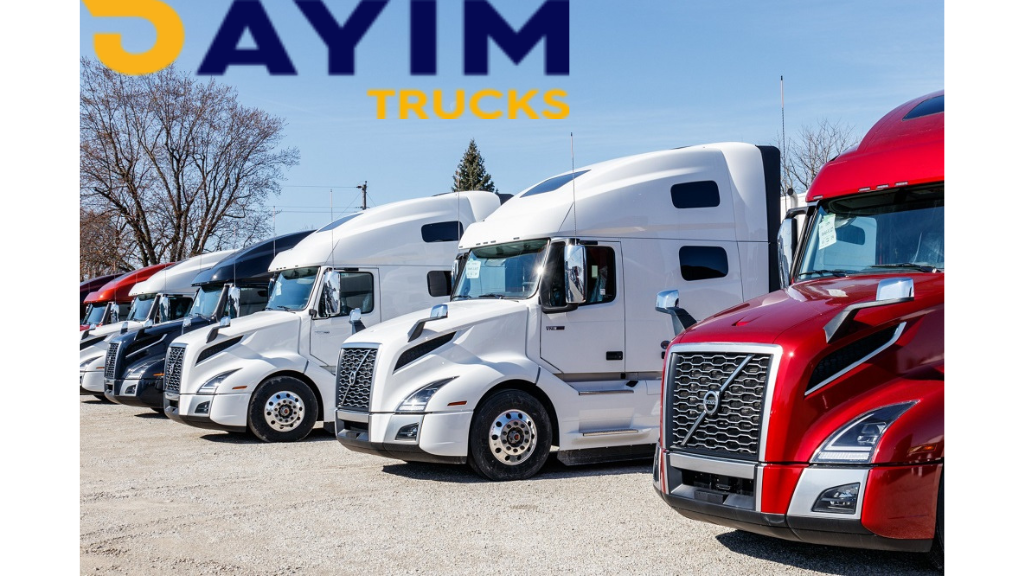
Dayim Trucks is a specialist truck rental and leasing company in Saudi Arabia, with over a decade of experience in the transportation industry and access to a global network of trucks. The company has experience serving some of the world's largest clients and supports businesses across the food and beverage, logistics, e-commerce, quick-service restaurant (QSR), and pharmaceutical industries.
For businesses evaluating operational leasing vehicles in Riyadh, the first step is to identify the type and number of vehicles required, the expected contract period, and the services needed to support daily operations.
A clear assessment makes it easier to compare options and determine whether leasing, rental, ownership, or a combination of approaches fits the business best.
Build a Smarter Fleet Strategy with Dayim Trucks
An asset-light fleet can help businesses in Riyadh manage capital, plan vehicle expenses, and respond to changing transportation requirements. But the benefits depend on selecting suitable vehicles and understanding the full terms of the agreement.
Before making a decision, review your current fleet utilisation, estimate future demand, compare the total cost of ownership with leasing, and confirm the responsibilities included in each option.
Whether you are exploring corporate leasing, operational leasing vehicles in Saudi Arabia, or long-term commercial vehicle arrangements, a well-planned strategy can help align transportation resources with your business goals.

تعليقات