
20
August
Van Rental vs Truck Rental in Saudi Arabia: Which Fits Your Business?
Choosing the right commercial vehicle can have a direct impact on delivery efficiency, operating costs, customer service, and overall business growth. For companies operating in Saudi Arabia, the decision often comes down to two practical options: a van or a truck.
While both vehicles can support transportation and logistics operations, they are designed for different business requirements. Understanding the difference between van rental Saudi Arabia and truck rental Saudi Arabia can help businesses choose a vehicle that offers the right combination of capacity, flexibility, and cost-effectiveness.
Whether you operate a small delivery business, manage a large distribution network, or require vehicles for food, pharmaceutical, retail, or construction operations, this guide will help you understand which option makes more sense.
Understanding Van and Truck Rental
Before comparing the two, it is important to understand what each vehicle type offers.
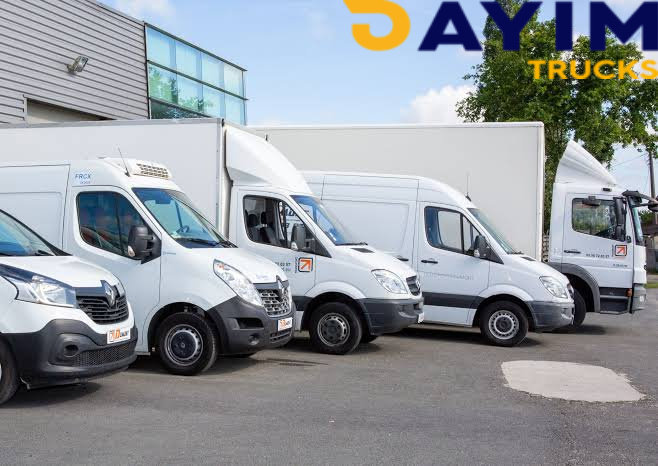
A van is generally smaller, easier to drive, and suitable for transporting moderate quantities of goods. Vans are commonly used for last-mile deliveries, service operations, retail distribution, and urban transportation.
Trucks, on the other hand, are built for heavier loads and larger transportation requirements. Depending on the truck type, businesses can transport everything from general cargo and construction materials to refrigerated products and industrial equipment.
This makes the van vs truck rental decision less about which vehicle is better and more about which vehicle matches the job.
When Is Van Rental in Saudi Arabia a Better Choice?
A van can be an excellent option for businesses that primarily operate within cities and require frequent deliveries.
For example, e-commerce companies may use vans to deliver customer orders from warehouses to homes and businesses. Similarly, restaurants, retailers, pharmacies, and service companies can benefit from the flexibility of smaller commercial vehicles.
Key benefits of van rental include:
1. Easier urban navigation
Saudi cities such as Riyadh, Jeddah, and Dammam have busy roads and increasingly active commercial areas. A van is generally easier to maneuver through narrow streets, parking areas, and congested locations.
2. Suitable for last-mile delivery
For businesses making multiple deliveries throughout the day, vans can provide a practical balance between cargo capacity and maneuverability.
3. Lower operating requirements
A smaller vehicle may consume less fuel than a heavy-duty truck, depending on the model, load, and operating conditions.
4. Flexible business operations
Instead of purchasing additional vehicles when demand increases, companies can use van rental Saudi Arabia services to expand their delivery capacity when required.
5. Ideal for service businesses
Maintenance companies, technicians, distributors, and mobile service providers can use vans to transport tools, equipment, and smaller quantities of products.
When Does Truck Rental in Saudi Arabia Make More Sense?
If your business regularly moves heavy or bulky goods, a truck is usually the more suitable option.
Industries such as construction, logistics, FMCG, food and beverage, pharmaceutical distribution, and large-scale retail often require commercial trucks because of their higher payload capacity.
Truck rental Saudi Arabia services can also help businesses avoid the significant capital investment associated with purchasing and maintaining a commercial fleet.
Major advantages of truck rental include:
Higher payload capacity: Trucks can carry significantly more cargo than standard vans, making them suitable for bulk transportation.
Greater cargo flexibility: Different truck configurations can accommodate different types of goods and operational requirements.
Suitable for long-distance transportation: Businesses moving products between cities or distribution centers may benefit from trucks designed for longer and heavier operations.
Better for specialized transportation: Refrigerated trucks, box trucks, flatbeds, and other specialized vehicles can be used when standard cargo vehicles are not sufficient.
Scalable fleet capacity: Companies can increase or reduce their vehicle requirements depending on seasonal demand, contracts, and business growth.
Van vs Truck Rental: Key Differences
The right choice becomes easier when you compare the vehicles according to your actual business requirements.
The key takeaway is simple: vans are generally better for flexibility and lighter urban deliveries, while trucks are better for capacity, heavier loads, and demanding transportation operations.
Consider Your Cargo Before Choosing
One of the most important factors in commercial vehicle rental Saudi Arabia is the type of cargo you transport.
If you deliver small packages, retail products, documents, tools, or limited quantities of goods, a van may provide everything you need.
However, if your business handles pallets, bulk FMCG products, construction materials, industrial goods, or temperature-sensitive cargo, a truck may be more appropriate.
Choosing a vehicle based only on its rental price can be misleading. A cheaper vehicle that cannot carry your required load may result in additional trips, higher fuel costs, delayed deliveries, and increased operational pressure.
Think About Your Delivery Routes
Your typical delivery route should also influence your decision.
Businesses operating primarily within crowded urban areas may prefer vans because of their maneuverability and convenient size. Companies transporting goods between warehouses, cities, or industrial facilities may find trucks more efficient.
For example, a company delivering ten small orders across Riyadh may find a van more practical. A distributor moving a large quantity of products from a warehouse to multiple retail locations may benefit from a truck.
Rental vs Buying: Which Is Better?
For many growing businesses, renting provides greater flexibility than purchasing a vehicle outright.
Buying a commercial vehicle requires a significant upfront investment. Businesses must also account for maintenance, depreciation, insurance, registration, repairs, and replacement costs.
With a rental model, companies can access vehicles without committing the same amount of capital to ownership. This can be particularly useful for seasonal businesses or companies testing new delivery routes.
A flexible fleet rental strategy can also allow businesses to adjust their transportation capacity according to demand.
For example, a company may require additional trucks during Ramadan, seasonal promotions, new contracts, or periods of rapid expansion. Renting can provide additional capacity without permanently increasing the size of the owned fleet.
Choosing the Right Commercial Vehicle for Your Business
There is no universal answer to the van vs truck rental question. The right choice depends on several factors:
- Type and weight of cargo
- Average delivery distance
- Number of daily deliveries
- Urban or intercity routes
- Required payload capacity
- Frequency of vehicle usage
- Seasonal demand
- Business growth plans
- Budget and operating costs
- Need for specialized vehicles
Businesses should also consider whether they need one vehicle or a complete fleet solution.
For companies with diverse transportation requirements, a combination of vans and trucks may actually be the most efficient solution.
Why Flexible Fleet Rental Can Support Business Growth
Transportation requirements can change quickly. A company that starts with a few delivery vehicles may eventually need a much larger fleet as orders and customers increase.
Instead of purchasing vehicles every time demand increases, businesses can use fleet rental to scale their transportation operations more efficiently.
This approach can help companies maintain operational flexibility while keeping capital available for other areas of the business.
For industries such as e-commerce, logistics, food and beverage, QSR, FMCG, and pharmaceuticals, having access to the right commercial vehicles at the right time can make a significant difference to daily operations.
Final Thoughts
The choice between van rental Saudi Arabia and truck rental Saudi Arabia ultimately comes down to what your business needs to transport and how you operate.
If your business focuses on lightweight cargo, frequent urban deliveries, and last-mile distribution, a van could be the practical choice. If you require higher payload capacity, bulk transportation, specialized vehicles, or long-distance logistics, a truck is likely to be more suitable.
For many businesses, the smartest approach is not choosing one vehicle permanently but creating a flexible transportation strategy that can adapt as demand changes.

تعليقات