
13
December
Why Multinational Companies Prefer Outsourced Fleet + Driver Leasing in KSA
As Saudi Arabia continues to attract multinational companies across sectors such as logistics, food & beverage, pharmaceuticals, construction, and e-commerce, operational efficiency has become a top priority. Managing large-scale logistics in a new market brings unique challenges—regulatory compliance, workforce management, asset control, and cost predictability, to name a few.
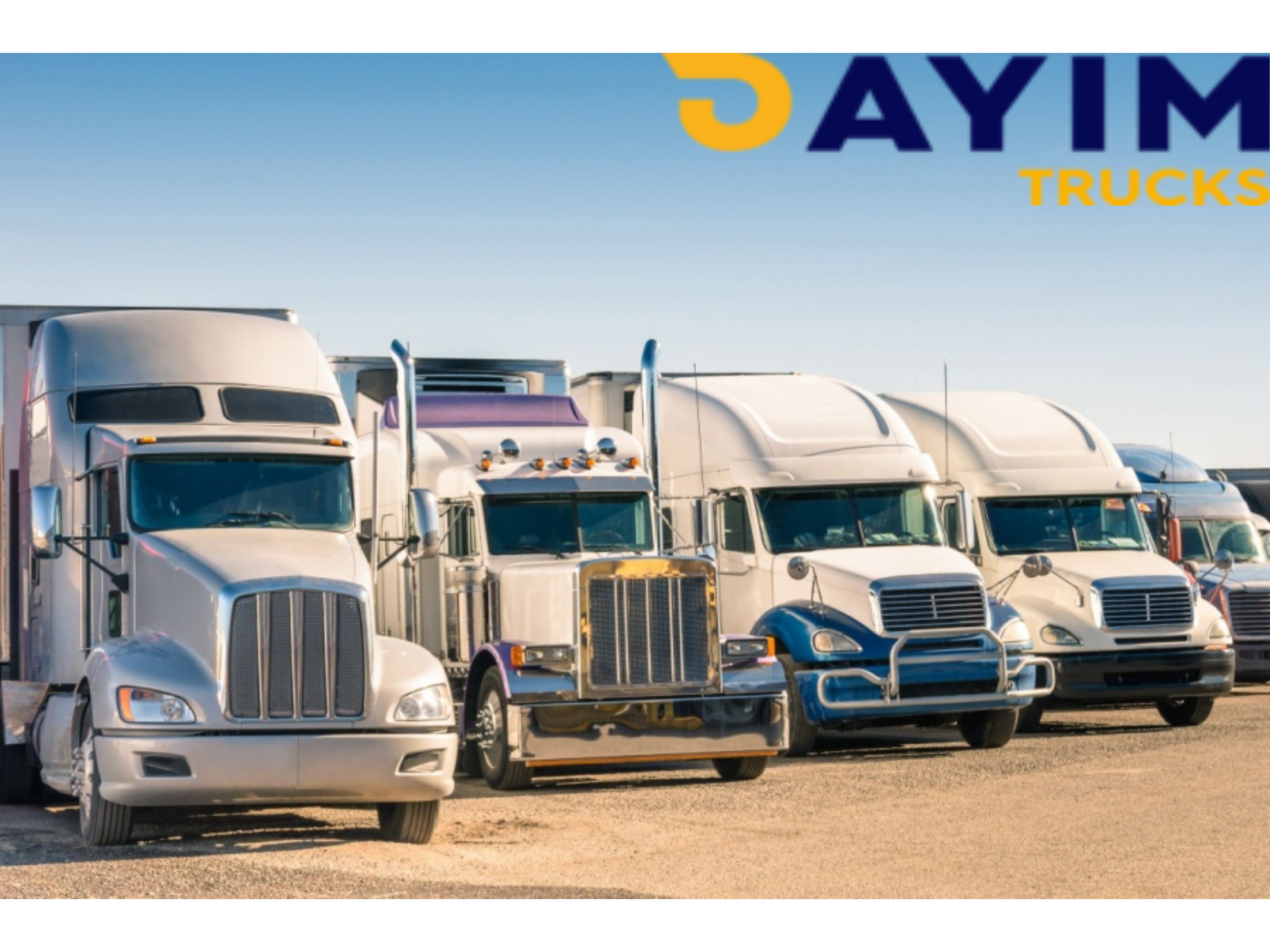
This is why many global enterprises operating in the Kingdom are shifting toward outsourced fleet + driver leasing models. Instead of owning vehicles and managing drivers in-house, they partner with specialist providers offering trucks with drivers, fully managed and compliant with local regulations.
The result? Faster market entry, reduced risk, and smoother day-to-day operations.
The Growing Complexity of Fleet Management in Saudi Arabia
Operating an enterprise fleet in Saudi Arabia involves much more than simply putting vehicles on the road. Multinational companies must navigate:
- Local vehicle registration and licensing
- Driver recruitment, visas, and Saudization requirements
- Health, safety, and compliance standards
- Maintenance, inspections, and insurance
- Business continuity during breakdowns or driver shortages
For organizations managing operations across multiple countries, these local complexities can quickly become operational bottlenecks.
This is where fleet outsourcing offers a strategic advantage.
What Is Outsourced Fleet + Driver Leasing?
Outsourced fleet leasing goes beyond renting vehicles. In a driver-included leasing model, the service provider supplies:
- Commercial vehicles suited to your operations
- Trained, compliant drivers
- Maintenance, servicing, and breakdown support
- Insurance, permits, and regulatory compliance
- Replacement vehicles and drivers when needed
For multinational companies, this creates a fully managed fleet in KSA, allowing internal teams to focus on core business objectives rather than fleet administration.
Why Multinationals Choose Trucks with Drivers
1. Faster Market Entry and Scalability
Multinationals often need to scale operations quickly—especially during market entry or rapid expansion phases. Recruiting drivers, purchasing vehicles, and setting up compliance processes can take months.
With trucks with drivers, companies can deploy fleets within weeks, not months. Need 10 vehicles today and 30 next quarter? Outsourced leasing makes this transition seamless.
2. Reduced Compliance and Legal Risk
Saudi Arabia has strict regulations around commercial driving, vehicle safety, and employment. Non-compliance can result in fines, operational delays, or reputational damage.
By opting for driver-included leasing, multinational firms transfer compliance responsibility to local experts who understand:
- Driver certification and training requirements
- Vehicle inspection schedules
- Insurance and documentation standards
- Health and safety regulations
This significantly lowers legal and operational risk.
3. Predictable Costs and Better Budget Control
Owning and managing a fleet often comes with hidden costs—unexpected repairs, driver turnover, downtime, and depreciation.
With enterprise fleet outsourcing, companies benefit from:
- Fixed monthly costs
- No capital investment in vehicles
- No exposure to depreciation
- Reduced HR and administrative overhead
This cost predictability is especially valuable for regional and global budgeting.
4. Access to Skilled, Trained Drivers
Driver availability and quality are critical, particularly in industries like F&B, pharma, and e-commerce where delivery standards are strict.
Outsourced fleet providers invest heavily in:
- Driver screening and training
- Safety and compliance programs
- Performance monitoring
Multinationals gain immediate access to experienced drivers without the ongoing challenges of recruitment and retention.
5. Business Continuity and Operational Reliability
Breakdowns, accidents, or driver absences can disrupt supply chains—something multinational companies cannot afford.
With a managed fleet in KSA, service providers offer:
- Backup vehicles
- Replacement drivers
- 24/7 support and roadside assistance
Operations continue without interruption, even when issues arise.
Industry Use Cases Driving Adoption
Multinational companies across various sectors are embracing fleet outsourcing:
- Food & Beverage: Temperature-controlled trucks with trained drivers ensure consistent delivery standards
- Pharmaceuticals: Compliance-focused drivers and validated transport processes protect sensitive cargo
- E-commerce & QSR: High-volume, time-critical deliveries demand reliable, scalable fleets
- Logistics & Distribution: Regional operations benefit from standardized fleet performance
For these sectors, outsourcing is not just convenient—it’s mission-critical.
Why Fleet Outsourcing Aligns with Global Corporate Strategy
Most multinational companies operate on asset-light models, focusing capital on growth rather than ownership. Outsourcing fleets aligns perfectly with this approach.
Key strategic benefits include:
- Faster deployment across new regions
- Consistent service levels across markets
- Reduced operational complexity
- Improved ESG and safety reporting
In short, fleet outsourcing allows enterprises to operate locally while thinking globally.
The Future of Enterprise Fleet Management in KSA
As Saudi Arabia continues to attract international investment, the demand for outsourced, professionally managed fleets will only grow. Multinational companies are recognizing that owning fleets and managing drivers internally is no longer efficient—or necessary.
Driver-included leasing represents a smarter, safer, and more scalable way to operate in the Kingdom.

تعليقات